
Amount of Plastics Used in Poland for Production and Packaging
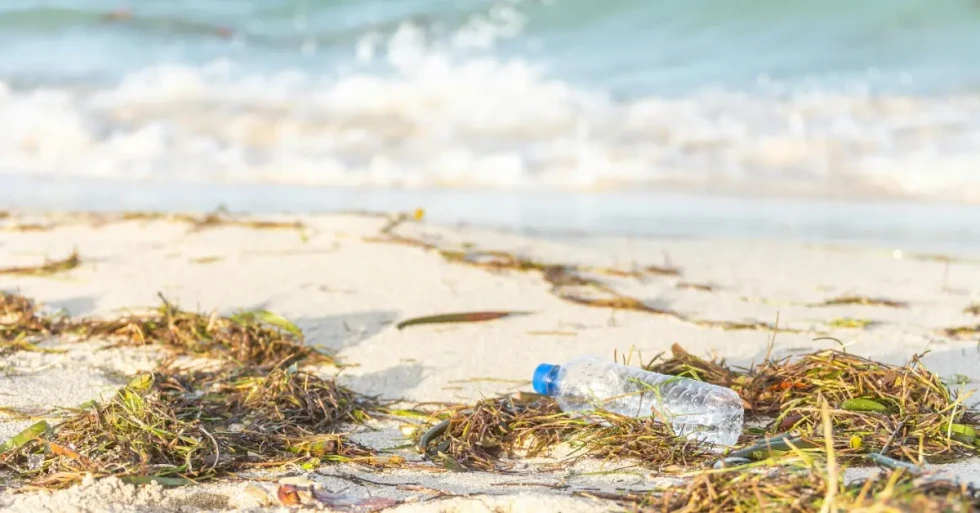
In today's world, plastics are an integral part of the economy, playing a role in nearly every industry – from packaging to advanced industrial components. Poland, as one of the largest producers and consumers of these materials in Central and Eastern Europe, plays a key role in this sector. In this article, we will examine the current data for 2024 and 2025, analyzing consumption, production, and recycling trends.
Key Data on Processing and Production
According to the latest data, in 2024 Poland processed approximately 3.9 million tons of plastics, accounting for 7.2% of total processing in Europe. Forecasts for 2025 indicate a stable growth of about 2-3%, depending on economic conditions.
- Global Context: Global production exceeds 400 million tons annually.
- Position in the EU: Poland ranks eighth with production of 2.4 million tons in 2024 (4.1% share in Europe).
- Domestic Consumption: Approximately 3.5 million tons annually, of which:
- 34% for packaging,
- 19% for construction,
- The rest for automotive, electronics, and household appliances.
Per capita in Poland, about 70 kg of plastics are used annually, highlighting the massive scale of consumption.
Packaging Sector – Leader in Consumption
The plastics packaging sector dominates in the use of plastic materials. In Poland, the plastic packaging market (bottles, films, containers) is projected to reach a value of about 210 million USD in 2025, with an expected annual growth of 5.89% until 2030. This is driven by the food and beverage industry.
| Sector | Share in Consumption (%) | Examples of Applications |
|---|---|---|
| Packaging | 34 | PET bottles, films, containers |
| Construction | 19 | Insulations, pipes, window profiles |
| Automotive | ~15 | Lightweight components reducing vehicle weight |
| Electronics | ~10 | Housings, components |
In 2019, plastic packaging accounted for 40% of all packaging produced in the country, and polymer consumption in this sector exceeds 1.1 million tons annually (32.5% of domestic demand).
Challenges and Sustainable Trends
The industry faces environmental challenges. In 2025, plans include eliminating at least one billion plastic packaging items from store shelves as part of the EU's plastic reduction strategy. Online stores are expected to use over 147 million plastic bags in fashion deliveries by 2030, equivalent to 2,500 tons of plastic.
Trends indicate a 1.7% decline in primary plastics production in the first quarter of 2024, caused by market uncertainty and external factors such as the war in Ukraine. At the same time, the share of circular plastics is growing—in Poland, up to 30.7% of production consists of recyclates and bio-based materials (surpassing the EU average of 19.7%).
The total amount of plastic waste in the EU in 2022 was 16.16 million tons, with Poland contributing 7.4%.
Recyclates in Practice
Recyclates are playing an increasingly important role, reducing costs and CO2 emissions. In Poland, 46.3% of plastic packaging is recycled, exceeding the EU average.
Applications of Recyclates
- Packaging: PET bottles, films.
- Automotive: Interior elements, bodywork.
- Construction: Pipes, insulations.
- Electronics: Device housings.
- Furniture: Structural elements.
Challenges
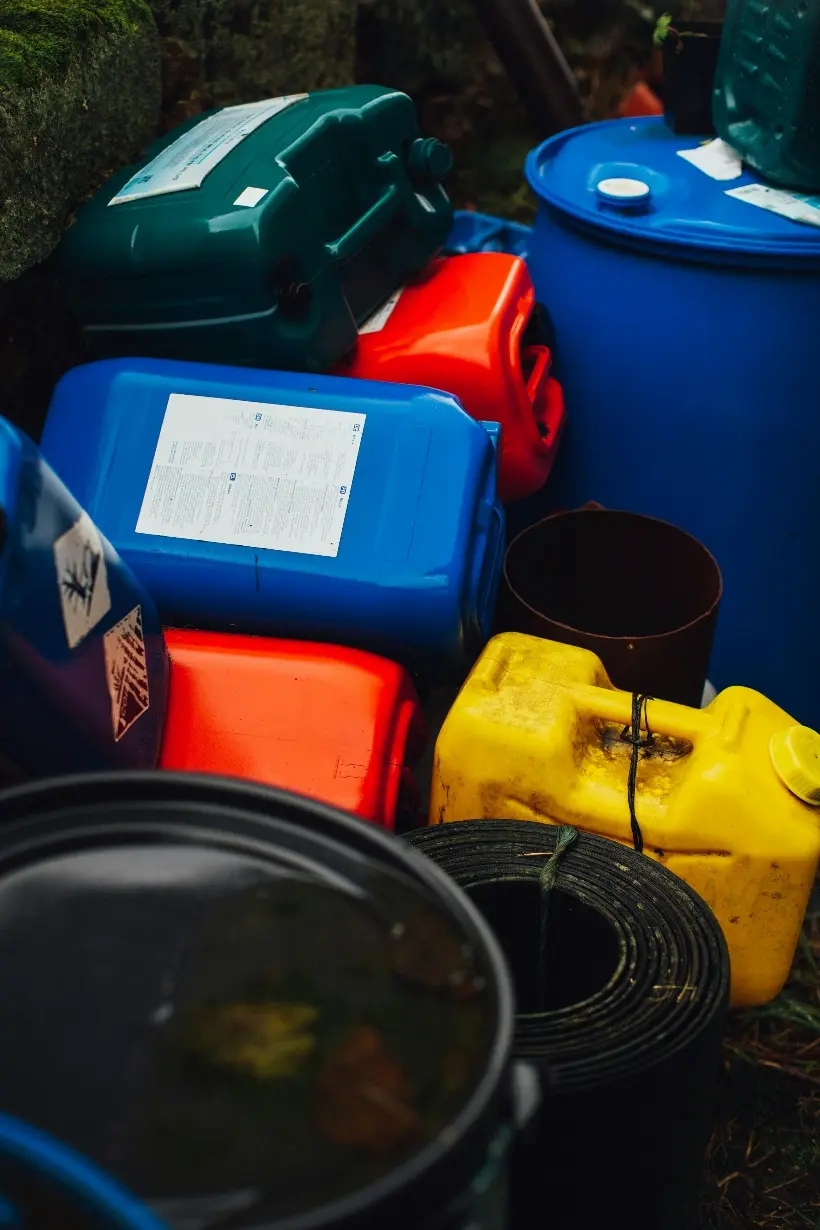
The recycling industry is on the brink of bankruptcy due to a lack of regulations, and selective collection of plastic waste amounted to only 330 thousand tons in 2022.
Poland is a strong player in the plastics market, with growing emphasis on sustainable development. Companies should invest in recycling technologies and adapt to EU trends. In 2025, the key will be implementing deposit systems for packaging, which will change the dynamics of plastic consumption.

